
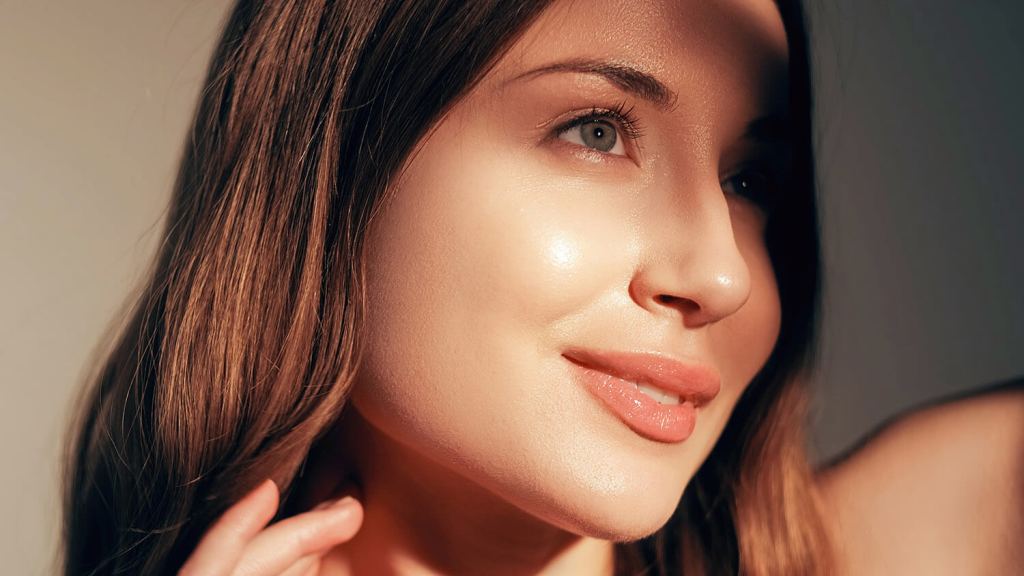
Dermaplaning leaves skin smooth, bright and free of peach fuzz. But one worry stops many people from trying it: will the hair grow back thicker or darker? The short answer is no. Dermaplaning does not change the thickness, color or speed of your hair growth.
So why do so many people believe it does? And is there anything you should watch for? This guide explains the science in plain language and clears up the most common myths. It also shares aftercare steps that keep your skin happy, especially in dry winter months.
Wondering whether dermaplaning is right for your skin? Request a consultation in Crestwood.
The Short Answer
- Dermaplaning does not make hair grow back thicker, darker or faster. It cuts hair at the surface and never touches the root, where growth is controlled.
- Regrowth can feel different for a few days. The hair grows back with a blunt tip instead of a soft, tapered one. So it may feel slightly coarse at first.
- Coarse, dark hairs that appear over time are not caused by dermaplaning. They are usually linked to hormones, genes or age, and they are worth checking with a provider.
What Is Dermaplaning?
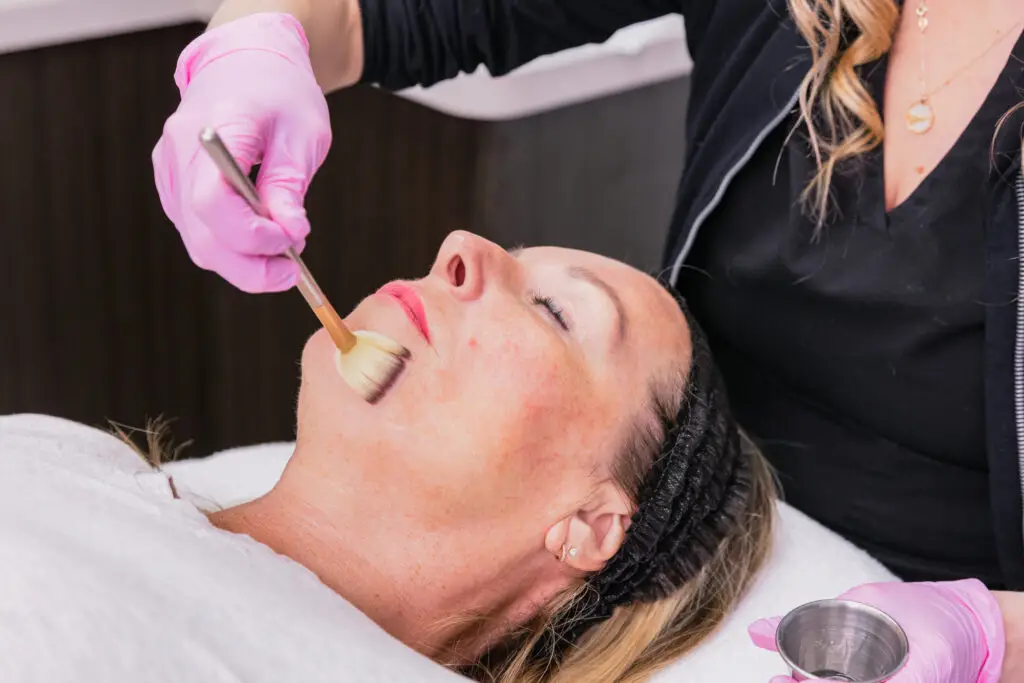
Dermaplaning is a facial treatment that uses a sterile, single-use blade to gently scrape the surface of the skin. It removes two things at once: the top layer of dead skin cells and the fine, soft hair often called peach fuzz.
The treatment is quick and has no downtime. Afterward, skin looks brighter and feels smoother. Makeup tends to go on more evenly, and skincare spreads more easily.
Why Dermaplaning Doesn’t Make Hair Grow Back Thicker
To understand why the myth isn’t true, it helps to know how hair grows.
Hair Growth Is Controlled Below the Skin
Every hair grows from a follicle, a small pocket under the skin. The follicle decides how thick the hair is, what color it is and how fast it grows. Dermaplaning only cuts the hair at the surface of the skin. It never reaches the follicle, so it can’t change any of those things.
The Mayo Clinic puts it simply: removing hair at the surface does not change its thickness, color or rate of growth. The same is true whether you use a razor on your legs or a dermaplaning blade on your face.
Peach Fuzz Grows Back as Peach Fuzz
Most facial hair on women is vellus hair. It is short, thin and light in color. When vellus hair is cut, it grows back as the same soft, fine hair. It does not turn into the coarse terminal hair found in a beard or on the scalp.
Why It Can Seem Thicker at First
If dermaplaning doesn’t change your hair, why do some people feel stubble afterward? There are three main reasons.
- The blunt tip. Uncut hair has a naturally soft, tapered end. When hair is cut, the new tip is flat. According to the Cleveland Clinic, this change along the hair shaft is why cut hair can seem thicker or darker as it grows back.
- The growth angle. Hair may grow back at a slightly different angle, which can change how it looks and feels for a short time.
- Contrast. After treatment, your skin is very smooth. So when the hair returns, you notice it more than you did before.
So no, the hair doesn’t truly grow back thicker. These effects are temporary. As the hair grows to its normal length, it feels the same as it did before.
Common Myths: Does Hair Grow Back Thicker, Darker or Faster?
| Myth | Fact |
| Hair grows back thicker | Hair thickness is set by the follicle, which dermaplaning does not touch |
| Hair grows back darker | Hair color is set by pigment made below the skin, so it doesn’t change |
| Hair grows back faster | Growth speed is controlled by the follicle and hair cycle, not by cutting |
| You’ll get stubble like a beard | Vellus hair grows back as soft, fine vellus hair |
| Once you start, you can’t stop | You can stop any time; hair simply returns to how it was |
| It’s the same as shaving with any razor | Professional dermaplaning uses a sterile blade and also exfoliates dead skin |
When Thicker Facial Hair Is a Sign of Something Else
Some people notice coarse, dark hairs on the chin, jawline or upper lip over time. This is not caused by dermaplaning, but it can feel like it if the timing lines up.
Changes in facial hair are often linked to hormones. Common reasons include:
- Hormone shifts during perimenopause and menopause
- Polycystic ovary syndrome (PCOS)
- Certain medicines
- Family history
If you notice new coarse hair, talk with a healthcare provider. This is especially important if it appears quickly or comes with irregular periods or acne. The Mayo Clinic notes that a sudden increase in facial hair can be a side effect of medicine or a sign of an underlying condition. Dermaplaning can still keep the skin smooth, but it won’t treat the cause. For coarse, dark hairs, laser hair removal may be a better long-term option. It works on pigmented hair, not on fine peach fuzz.
Benefits of Dermaplaning
Beyond removing peach fuzz, dermaplaning offers several benefits:
- Brighter skin. Removing dead skin cells reveals fresher skin underneath.
- Smoother texture. Skin feels soft right after treatment.
- Better makeup application. Foundation glides on without catching on fine hair.
- More even skincare. Serums and moisturizers spread more easily on smooth skin.
- No downtime. You can return to normal plans right away.
Dermaplaning is also a gentle form of exfoliation. It can be a good choice for people who want a smooth finish without a chemical peel.
Is Dermaplaning Good for Dry Winter Skin?
Winter air and indoor heat can leave skin dry and flaky. Dead skin builds up on the surface. This makes skin look dull, and moisturizer tends to sit on top instead of soaking in.
Dermaplaning removes that dry, flaky layer. When you follow up with a rich moisturizer, your skin can look and feel more hydrated. The key is to keep aftercare gentle, since freshly exfoliated skin is more sensitive to cold and wind.
Who Should Avoid Dermaplaning?
Now that you know hair won’t grow back thicker, the next question is whether dermaplaning suits your skin. It is safe for most skin types, but it isn’t right for everyone. According to WebMD, you should wait or avoid it if you have:
- Active acne or a breakout
- Rosacea, eczema or psoriasis flare-ups
- A sunburn or broken skin
- Recent use of isotretinoin (wait at least six months after stopping)
Tell your provider if you use retinoids, have had a recent peel or laser treatment, or get cold sores. They may adjust your timing.
Professional vs. At-Home Dermaplaning
At-home dermaplaning tools are popular, but there are real differences.
| Factor | Professional | At-home |
| Blade | Sterile, single-use surgical blade | Small cosmetic razor |
| Exfoliation | Removes dead skin and hair | Mostly removes hair |
| Technique | Trained provider controls angle and pressure | Higher risk of nicks and irritation |
| Skin assessment | Provider checks for conditions that need care | No assessment |
| Add-ons | Can pair with a facial, mask or peel | Limited |
If you choose to dermaplane at home, use a clean tool, replace it often and avoid any active breakouts.
Dermaplaning Aftercare
Follow these steps for the best results:
- Wear sunscreen daily. Use a broad-spectrum SPF 30 or higher, even in winter.
- Moisturize. Choose a gentle, fragrance-free moisturizer.
- Skip harsh products. Avoid retinoids, exfoliating acids and scrubs for a few days.
- Keep hands off. Avoid touching or picking at your skin.
- Skip heavy makeup. Give your skin a day before wearing full coverage.
How Often Should You Get Dermaplaning?
Most people get dermaplaning every three to four weeks. This matches your skin’s natural renewal cycle and the time it takes for peach fuzz to grow back. Doing it too often can irritate the skin.
The Bottom Line
Dermaplaning does not make hair grow back thicker, darker or faster. It cuts hair at the surface and leaves the follicle alone. Any coarse feeling is temporary and comes from the blunt tip of the regrowing hair. If you notice true changes in facial hair, it’s usually a sign of hormones, not dermaplaning. It’s worth a conversation with a provider.
If you’re in or near Crestwood, KY, try our Dermaplane Glo Facial at Well Labs+ Medspa. Our team will assess your skin and pair dermaplaning with the right products for your skin type. You can also browse our full menu of facial treatments.
Frequently Asked Questions
Does hair grow back darker after dermaplaning?
No. Hair color is controlled below the skin. The regrowing hair may look slightly darker at first because the blunt tip is more visible, but its actual color doesn’t change.
How long does it take for hair to grow back after dermaplaning?
It varies from person to person, but many people notice peach fuzz returning in about three to four weeks. That’s why many people schedule treatments on that cycle.
Is dermaplaning the same as shaving your face?
They are similar because both cut hair at the surface. However, professional dermaplaning uses a sterile blade at a specific angle to also remove dead skin cells, which shaving does not do.
Can dermaplaning cause breakouts?
It can if it’s done on active acne or with unclean tools. Choosing a trained provider and following aftercare lowers this risk.
Is dermaplaning safe for sensitive skin?
Many people with sensitive skin tolerate it well. If you have rosacea or eczema, ask a provider first, since the treatment may need to be skipped during flare-ups.
Request a consultation in Crestwood
Ask the Crestwood team how dermaplaning might fit into your skincare routine.